MySiren Nationwide Test Is Set for Sunday, 29 November. Here's What to Tell Your Parents
Malaysia runs its nationwide MySiren emergency alert test on Sunday, 29 November. Here is how to check your phone, what the alert means and why it will never ask for money or passwords.
Also in Bahasa Melayu
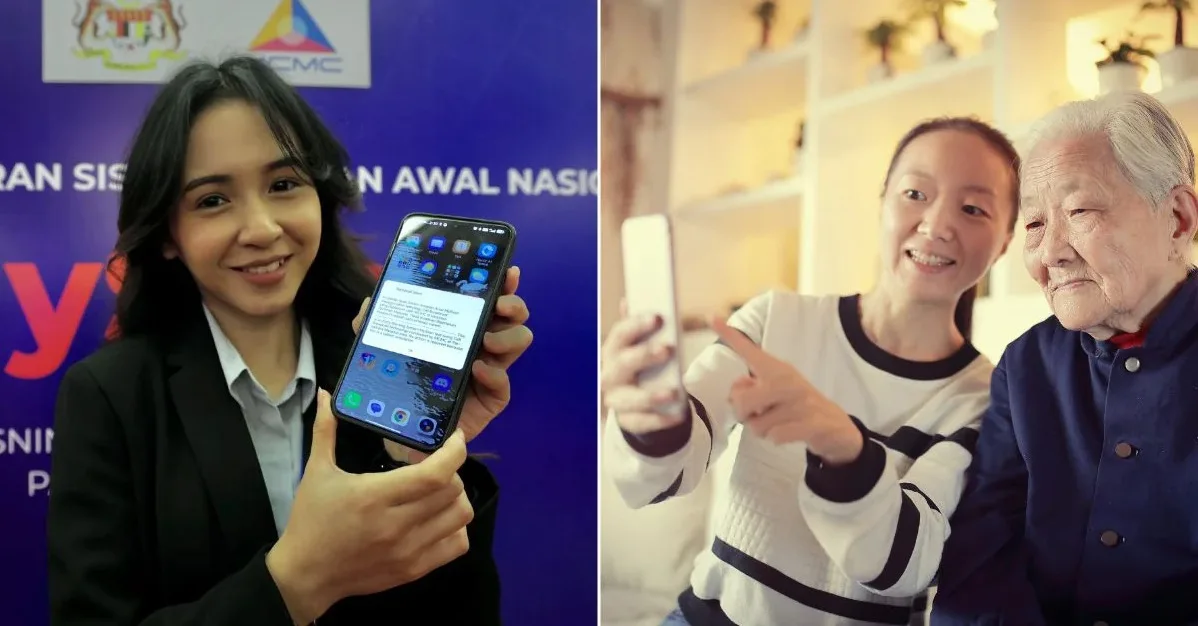
Malaysia will test MySiren, its national early warning system, across the country this Sunday, 29 November. If your phone starts sounding out of the blue that day, the test notification is the reason. The exercise checks how emergency alerts are sent and received on compatible phones, and the advice is simple: stay calm and read the message.
MySiren is designed to warn people about emergencies such as floods, severe weather, tsunamis, major fires and hazardous-material incidents. The Malaysian Communications and Multimedia Commission (MCMC) has published an FAQ on how it works. Alerts are sent by Cell Broadcast through participating 4G and 5G networks to compatible phones in the affected areas. You do not need to download an app, register or subscribe, and the alerts do not use mobile data or Wi-Fi.
If you are the family's go-to person for phone settings, it is worth checking a few things before Sunday. According to MCMC's current guidance, the phone needs to be up to date: an iPhone 11 or newer on iOS 27.2 or later, an Android device on Android 12 or later, or a Huawei device on EMUI 16 or later. Restart after updating, then look for Government Alerts or Wireless Emergency Alerts in the settings, since the wording and location vary by phone. A quick word beforehand also helps, so nobody is startled by the test.
Meeting those software requirements does not guarantee a phone will receive the alert, because device compatibility, settings and network coverage all play a part. Phones that only support 2G or 3G cannot receive MySiren alerts at all.
When a real warning arrives, read it in full and follow the instructions for the affected area. MySiren will never ask for passwords, banking details, one-time passwords or payments, so treat any such request as a scam. Official updates will also continue through radio, television, government websites, verified social media and local announcements.