
Remembering A. Samad Said, National Laureate Who Shaped Modern Malay Literature
National Laureate A. Samad Said, author of the novel Salina, has died at 91. He leaves a lasting mark on modern Malay literature, from his early novels to his free verse and honours.
Also in Bahasa Melayu
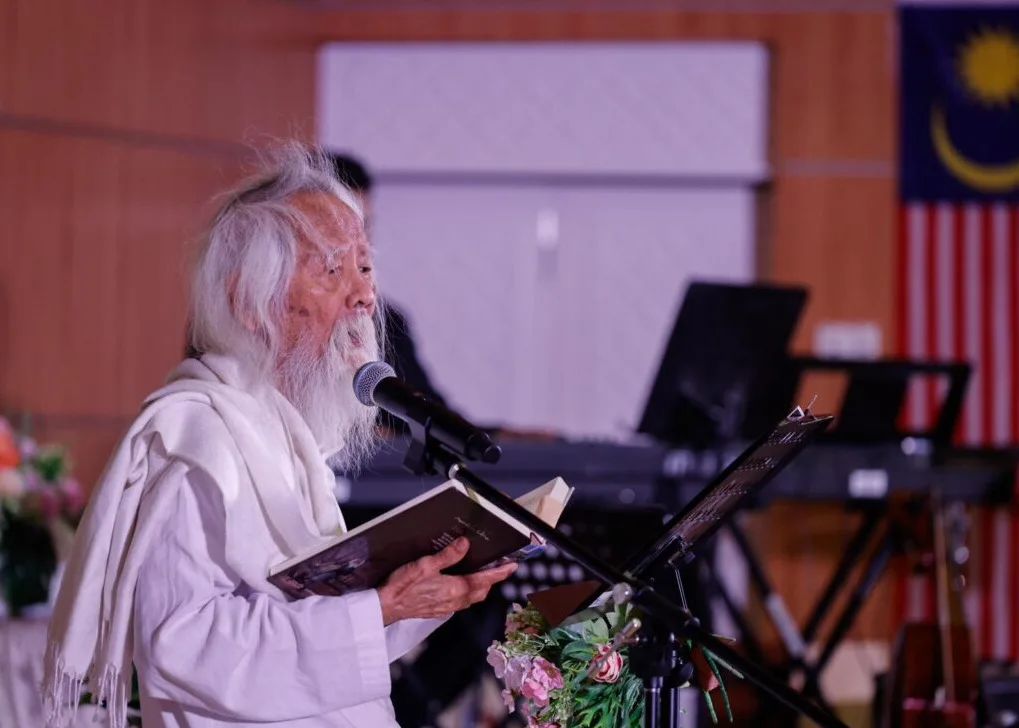
National Laureate Datuk Seri Dr A. Samad Said, known fondly as Pak Samad, has died at 6.10pm on Tuesday after treatment at Kuala Lumpur Hospital for age-related health problems. He also had diabetes. He was born on 9 April 1935 in Durian Tunggal, Melaka, and began writing in the 1950s. He became one of the leading figures in modern Malay literature, best known for his novels, though he also wrote poetry, short stories, plays, essays and literary criticism.
His first novel, Gerhana, won recognition in the Dewan Bahasa dan Pustaka novel-writing competition in 1958 and was later retitled Salina, published in 1961. Some scholars regarded it as having international standing, including the linguist Prof A. Teeuw. Other novels include Sungai Mengalir Lesu, which drew on his own experience of communities devastated by war, as well as Bulan Tak Bermadu di Fatehpur Sikri, Di Hadapan Pulau, Adik Datang, Langit Petang and Cinta Fansuri. He was also among the earliest Malay writers to experiment with free verse, in his collection Liar di Api.
His honours included the Pejuang Sastera Award in 1976, the S.E.A. Write Award in 1979, the National Literary Award in 1985, the ASEAN Literary Award from Brunei in 1993 and the Sasterawan Nusantara Award in 1999. He received a Melaka state honour carrying the title Datuk in 1997, and the Darjah Gemilang Pangkuan Negeri, which carries the title Datuk Seri, in 2017.
Before writing full-time he worked as a clerk at Singapore General Hospital and then in journalism, with publications including Fikiran Rakyat, Utusan Zaman and Berita Harian. He was editor-in-chief of Warta Teberau in 1981 and later served as Head of Literary Development at the New Straits Times group. Prime Minister Anwar Ibrahim has paid tribute, saying Pak Samad's love for the people will live on through his works.