Why Supply Chain Sustainability Is Becoming a Business Necessity, Not an Option
A Focus Malaysia opinion piece argues that supply chain sustainability has become a business necessity, citing MIT and FedEx research on tariffs, consumer preferences and board oversight.
Also in Bahasa Melayu
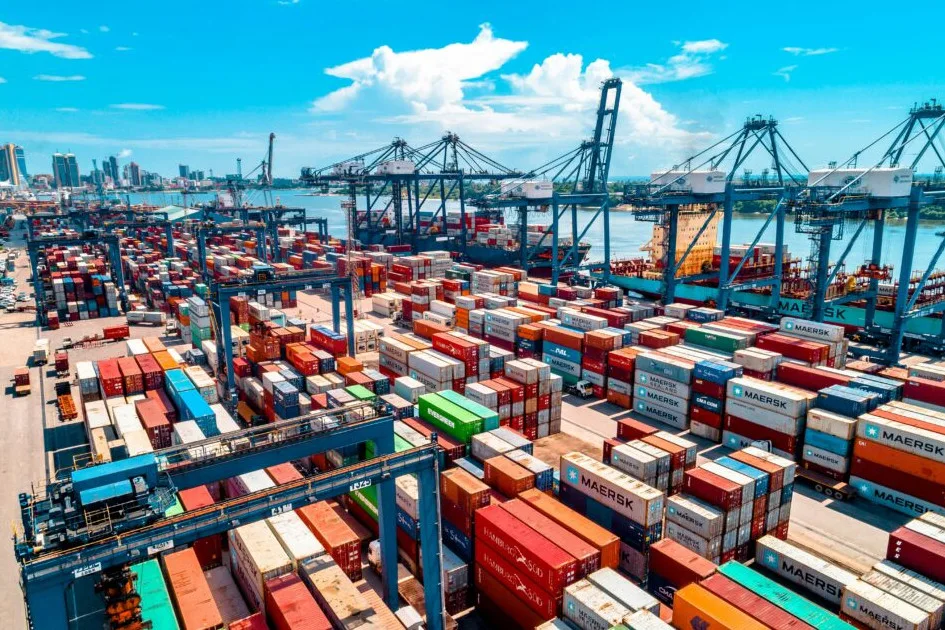
Most companies say they care about sustainable supply chains, but few have turned those words into action, and the gap is becoming a business risk. In an opinion piece for Focus Malaysia, an academic at UCSI University argues that sustainability is now a commercial matter shaped by resilience, customer expectations, regulation and efficiency.
The column cites an MIT survey in which 83 per cent of companies said sustainability is important to long-term success. But 68 per cent said tariff uncertainty had forced them to delay, scale back or compromise their plans, and nearly a third said trade disruptions had increased their operational emissions. On the customer side, FedEx research cited in the piece found that 81 per cent of Asia-Pacific consumers prefer companies that appear more sustainable than their rivals.
The author says resilience and sustainability should not be treated as separate budgets. Relying on one factory or one fuel source leaves a business exposed to shocks and carbon rules. Diversifying suppliers, producing across regions and shortening transport routes can cut risk and emissions at the same time. Existing diesel fleets can also be made cleaner through route planning, load consolidation and better data, without waiting for hydrogen trucks or electric ships.
The column also says sustainability needs a seat at the table. Companies with cross-functional sustainability teams reported that sustainability is often built into daily decisions, at 57 per cent, compared with 13 per cent where it sat within a single function. Only 33 per cent of companies in the survey had board-level oversight of sustainability.
The author's advice is to measure emissions first, including those in the supplier chain, then improve existing operations before replacing equipment. As the column puts it, the question is no longer whether supply chains should become greener, but whether businesses can afford to wait.
This is an opinion piece. The views are the author's and do not necessarily reflect those of Focus Malaysia.